


These 19 states want to make daylight saving time permanent
These 19 states want to make daylight saving time permanent

Saman Shafiq and Mary Walrath-Holdridge, USA TODAYWed, October 28, 2026 at 10:50 AM UTC
69

Despite President Donald Trump's push to make daylight saving time permanent, clocks will still fall back on Sunday, Nov. 1, as the Sunshine Protection Act, passed by the House in July, remains stalled while the Senate is in an extended election recess.
The legislation, introduced by Rep. Vern Buchanan, R-Florida, aimed to make daylight saving time permanent nationwide, ending the twice-yearly clock change that many Americans say they want gone. Yet despite years of debate and growing political support, Congress has repeatedly failed to get a proposal across the finish line.
"The United States Senate is letting the Daylight Saving Bill die, when a vast Majority of the Country want it," Trump said Monday, Oct. 26, in a Truth Social post. "Most people are demanding light in the evening, but ALL want not to change their clocks anymore."
"TAKE A VOTE!" he asserted.
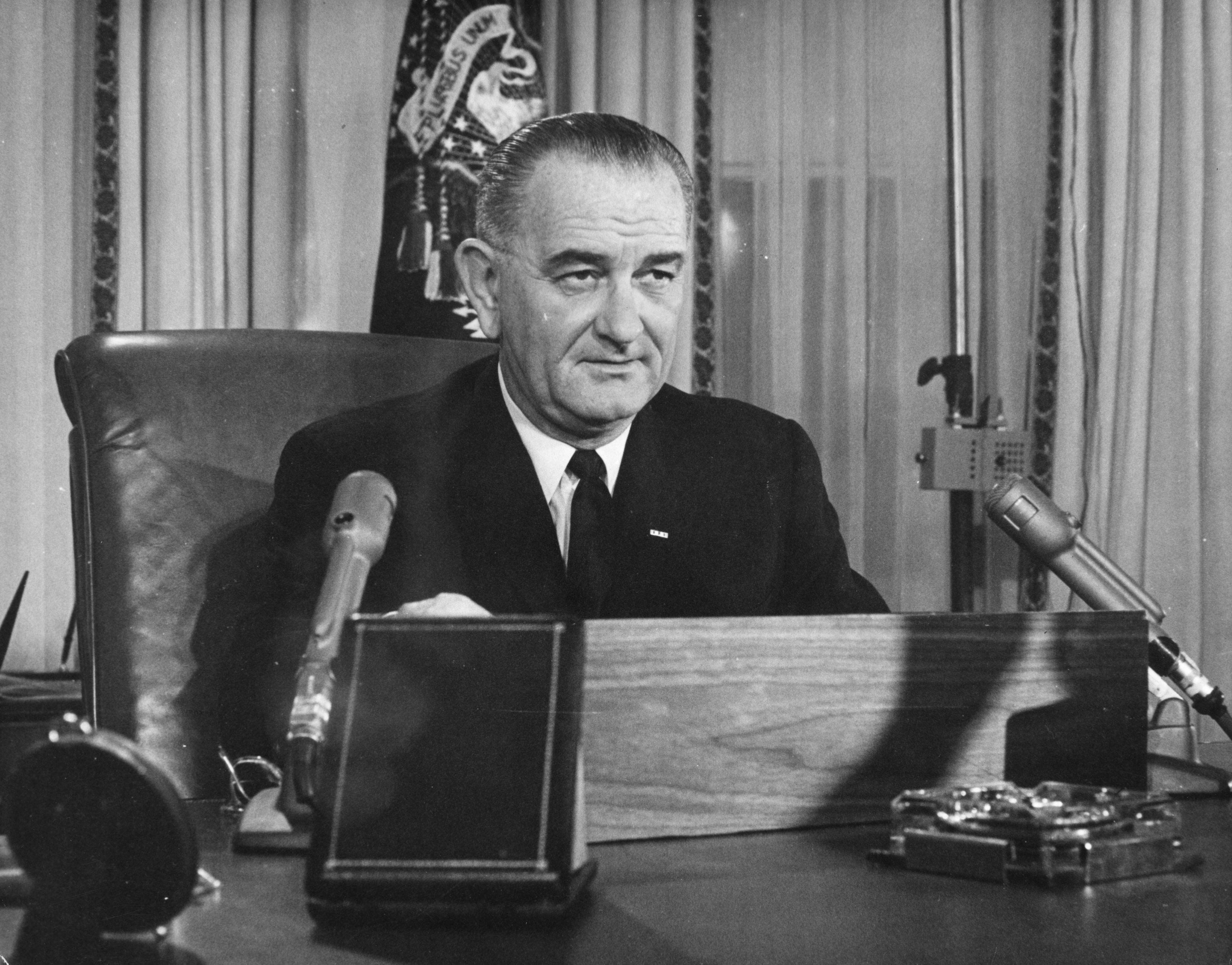
President Lyndon B. Johnson signed the Uniform Time Act of 1966 into law, establishing a nationwide system for daylight saving time. Only Congress can change this.
How to adjust your body clock: As time 'falls back' on Nov. 1
Which states have passed permanent daylight saving time laws?
While the Sunshine Protection Act remains in limbo, 19 states have enacted laws to make DST permanent, but these laws can't go into effect until Congress allows it at the federal level.
Some states at the forefront of introducing DST legislation, like Florida, passed the nation's first law of its kind in 2018. Others followed in the ensuing years.
Advertisement
In 2026, 16 states introduced 23 bills concerning daylight saving and standard time, according to the National Conference of State Legislatures. These include:
Alabama
Colorado
Delaware
Florida
Georgia
Idaho
Louisiana
Maine
Minnesota
Mississippi
Montana
Oklahoma
Oregon
South Carolina
Tennessee
Texas
Utah
Washington
Wyoming
Under current federal law, states can opt to observe permanent standard time, as Arizona and Hawaii have, but cannot do the same with DST, according to the U.S. Dept. of Transportation website. Some states have additional contingencies attached to their laws, like Delaware and Utah, which only enact permanent DST if surrounding states do as well.
When will Congress vote on permanent daylight saving time?
For now, no Senate vote has been scheduled, and it's unclear whether the chamber plans to take up the bill when its extended recess ends Nov. 6.
When does daylight saving time end in 2026?
Daylight saving time ends at 2 a.m. local time on Sunday, Nov. 1, when clocks move back one hour to 1 a.m.
The change marks the return to standard time and gives Americans an extra hour of sleep. It also brings earlier sunsets and more daylight each morning as winter approaches.
Under current law, daylight saving time begins on the second Sunday in March and ends on the first Sunday in November.
Contributing: Bart Jensen, Zachary Schermele, Jorge L. Ortiz, Fernando Cervantes Jr., Emily DeLetter, Julia Gomez, Kinsey Crowley, Marc Ramirez/ USA TODAY; Reuters
Saman Shafiq is a trending news reporter for USA TODAY. Reach her at sshafiq@gannett.com and follow her on X and Instagram @saman_shafiq7.
This article originally appeared on USA TODAY: These 19 states want to make daylight saving time permanent
Source: “AOL Breaking”
