


Morgan Stanley finds bigger story in SpaceX’s $100 billion bet
Morgan Stanley finds bigger story in SpaceX’s $100 billion bet

Moz FarooqueSun, August 30, 2026 at 12:07 AM UTC
0
SpaceX (SPCX) stock investors have been taken on a choppy round trip since going public on June 12, 2026, with the stock touching a high of $225.64 before retreating to $137.95, back near its debut price.
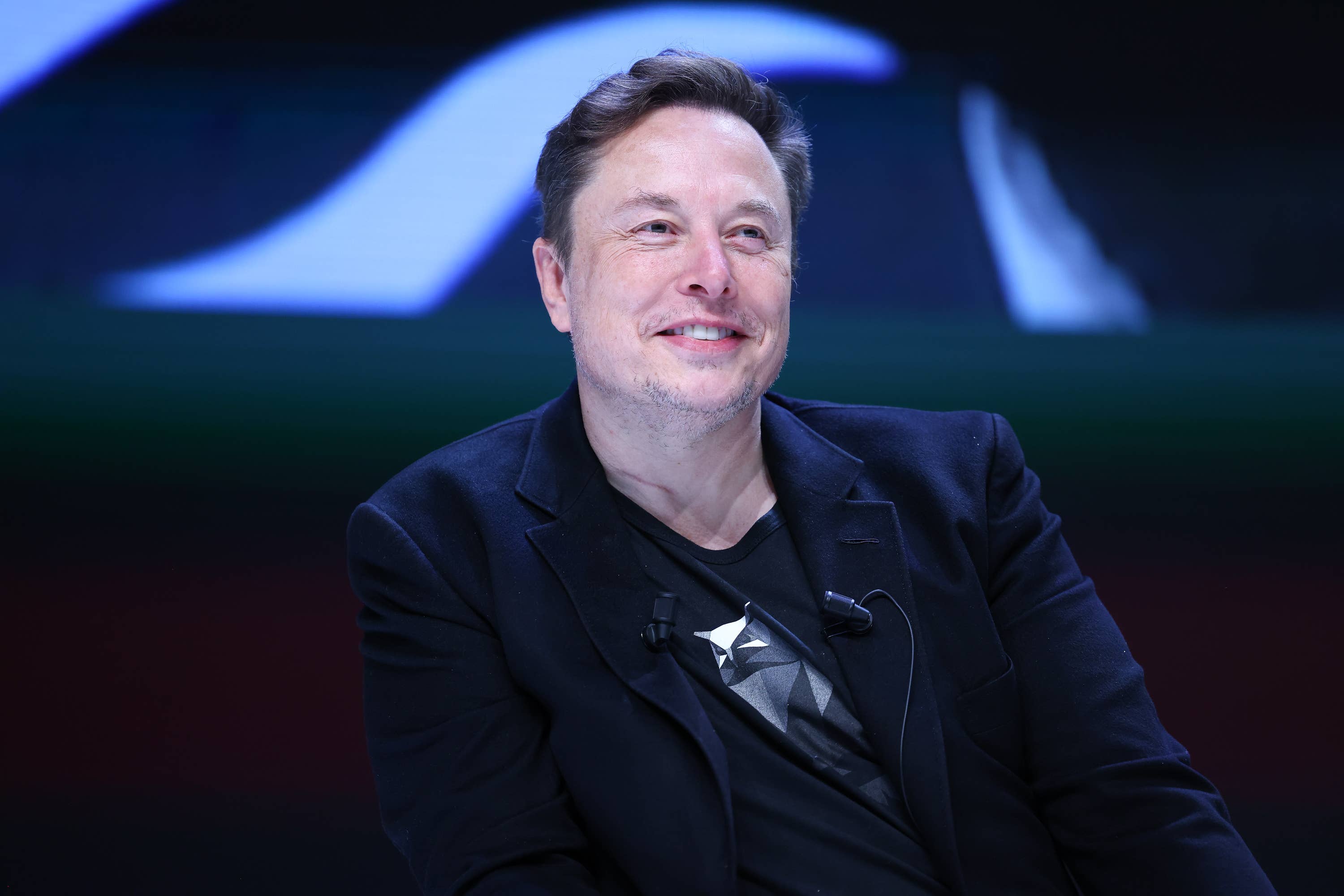
The pullback hasn’t slowed CEO Elon Musk’s ambitions, though. SpaceX’s engines have barely stopped humming since its IPO, and the newest development, as reported by Fortune, is a planned $100 billion Starbase complex in southern Louisiana that might become its largest launch facility. In a research note shared with TheStreet, Morgan Stanley analyst Adam Jonas says he feels investors are overlooking what the extraordinary commitment really signals.
The decade-long project could feature up to 10 launch pads, along with propellant production, energy generation, vehicle processing facilities, and employee-related housing.
Construction is forecast to begin in 2027, with the first launches targeted for 2029. The sheer scale gives SpaceX far greater launch capacity as it pushes Starship from testing toward commercial use operations.
Its stock is now sitting comfortably below its 52-week peak, leaving investors to decide if the retreat reflects caution over a growing disconnect between the stock and SpaceX’s plans.
Jonas believes Louisiana points to more than another rocket base, linking the site to an overlooked opportunity for SpaceX.
Morgan Stanley sees bigger opportunity in SpaceX’s $100 billion bet
Jonas believes investors need to reconsider SpaceX stock as the company prepares a massive expansion of its launch infrastructure.
More Wall Street:
Wall Street’s AI trade faces its biggest valuation test
The next Wall Street shift is already underway
Wall Street sends strong 4-word verdict on the stock market
He maintained an Overweight rating and $300 price target. Compared with SpaceX’s August 25 closing price of $137.95, that target implies 117% upside, enough for the stock to more than double.
According to Jonas, what stands out is investors’ underestimation of what SpaceX is developing around Starship. He believes the Louisiana announcement suggests SpaceX might be planning far more launches than the bank’s forecasts assume.
The firm’s modeling projects nearly 5,800 Starship launches annually by 2040, averaging around 16 launches per day. Assuming each pad supports a couple of launches daily, SpaceX might require just eight pads to reach that forecast.
Yet Morgan Stanley identified 15 planned Starship pads: 10 in Louisiana, two in Texas, and at least three in Florida. Put simply, SpaceX doesn’t need the entire Louisiana complex to meet Morgan Stanley’s aggressive 2040 projections.
That raises the question, though, what does SpaceX expect to launch?
Morgan Stanley doesn’t believe consumer connectivity alone could absorb that capacity. The global satellite-broadband market might become much more saturated before SpaceX fully utilizes all 10 Louisiana pads. Instead, the bank expects orbital computing to account for over 80% of its projected launches beginning in 2032.
A lot of that thesis is dependent on Starship switching up the economics of reaching orbit.
Starship can carry over five times the maximum payload of Falcon 9 and is designed to be fully reusable. Morgan Stanley expects its launch cost to drop to nearly $500 per kilogram by 2030, below $200 by 2035, and below $150 by 2040. That compares with an estimated Falcon 9 variable cost of around $1,000 per kilogram in 2025.
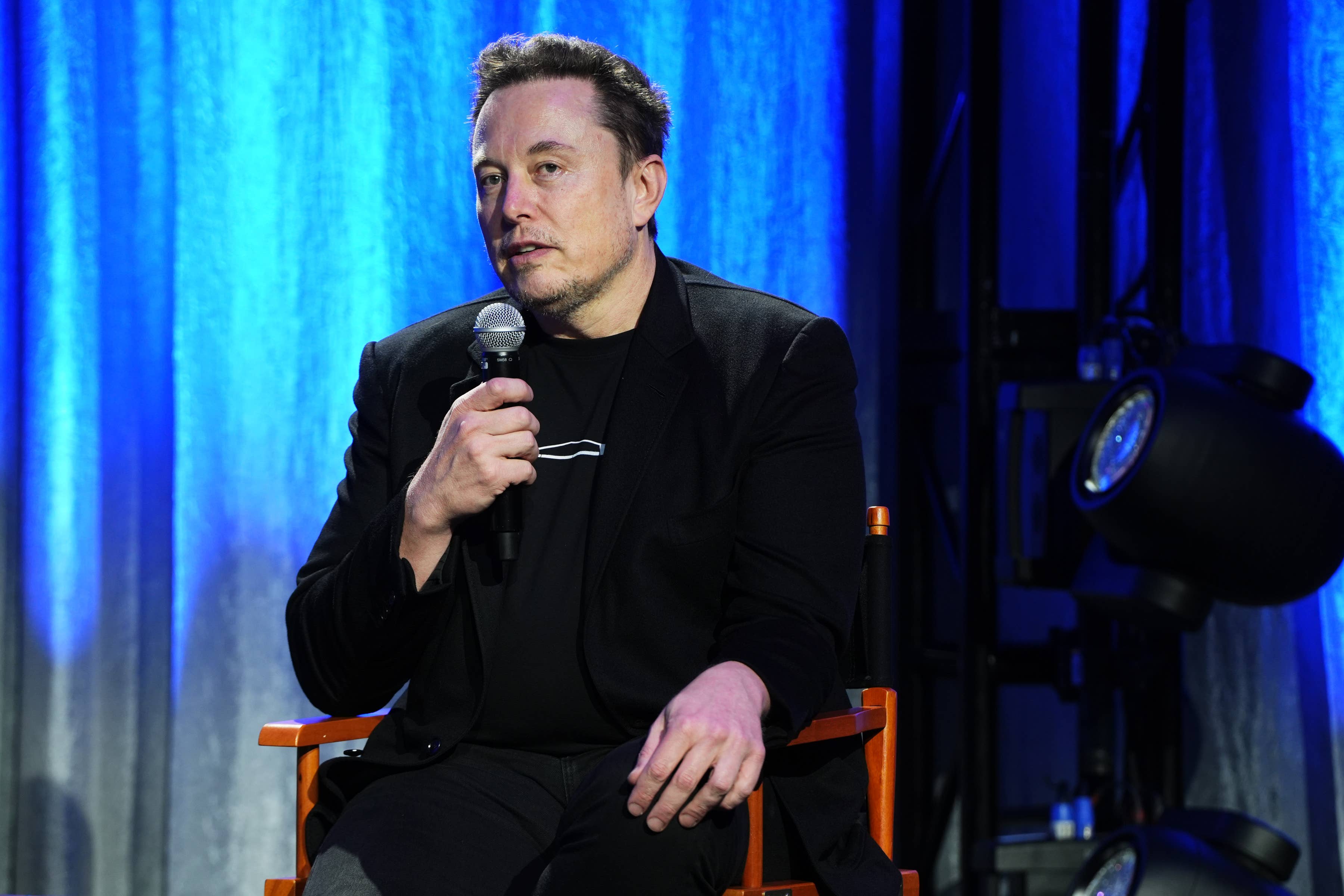
Morgan Stanley says SpaceX’s $100 billion Louisiana complex could unlock substantial upside Jared Siskin/Patrick McMullan via Getty ImagesStarship faces its biggest test before orbital AI can scale
Nevertheless, recovering a Starship is only the first step, and the bigger test is how swiftly the vehicle can be inspected, refurbished, and launched again.
Advertisement
The upper-stage ship faces a lot of heat and mechanical pressure as it enters the atmosphere again, which makes it a lot more difficult to reuse than the booster.
Morgan Stanley’s model assumes limited ship reuse in its early years before jumping to approximately 43 flights per ship by 2040. The bank assumes boosters will soon reach about 130 flights each.
Those are major improvements, but SpaceX doesn’t exactly need to achieve them immediately. Morgan Stanley believes Starship’s payload capacity will reduce costs meaningfully even before the upper stage becomes routinely reusable.
On top of that, launch cadence might matter even more than cost. A single Starship flight is expected to deploy just a single-digit number of megawatts of computing equipment. Building several gigawatts of orbital capacity entails thousands of launches.
That makes the Louisiana complex a lot more consequential as it supplies the launch infrastructure that’s required to make orbital AI possible at scale.
SpaceX is already working on this transition.
The company has wrapped up what it described as its final Falcon 9 Starlink launch from Florida, with future Florida-based Starlink missions likely to move to Starship. Morgan Stanley estimates one Starship flight might carry as much as 25 times the downlink capacity of a Falcon 9 mission.
What should SpaceX investors do now?
Morgan Stanley is telling investors to revisit SpaceX stock, which is trading near its IPO price of $135, as its current price isn’t reflective of its orbital AI potential.
The bank estimates that every incremental gigawatt of nameplate computing capacity could potentially add nearly $27 per share, or around 20% of SpaceX’s current stock price. That calculation assumes $50 in value per watt, a 70% incremental margin, and a 10-times EBITDA valuation.
Jonas is valuing the company at nearly 10-times projected fiscal 2028 sales and 25 times EBIT, forecasting revenue growth of 70% and EBIT growth of 113%. Moreover, the bank’s current share price assigns just a low-single-digit multiple to enterprise AI and effectively zero value to orbital computing.
Moreover, Morgan Stanley expects 4.9 gigawatts of AI computing capacity by the end of fiscal 2027, compared with a far loftier SpaceX target of close to 10 gigawatts. So there’s an incredible gap that illustrates the upside if SpaceX executes much more quickly than the bank expects.
Nevertheless, it remains a tall order for a company that’s being valued at over 1,607-times forward non-GAAP earnings, which is 11,637% higher than the sector median according to Seeking Alpha.
For current shareholders, the research note backs maintaining exposure while looking at three critical proof points, including Starship launch frequency, vehicle turnaround time, and growth in enterprise-AI capacity.
For investors considering the stock, the $300 target for Morgan Stanley comes with remarkably high execution and financing risk. It’s important to understand that the $100 billion Louisiana commitment isn’t self-funding. Also, Morgan Stanley’s broader model assumes SpaceX will be relying partly on an estimated $80 billion in average annual net debt issuance as investment accelerates.
The bull case involves multiple developments happening in tandem.
Starship needs to become dependable and reusable. Launch frequency has to rise from dozens to thousands annually. Moreover, AI customers need to be willing to pay premium prices for scarce computing capacity, while capital markets need to continue financing SpaceX before the economic payoff becomes visible.
Related: Cathie Wood buys $17.2 million of beaten-down AI stock
This story was originally published by TheStreet on Aug 30, 2026, where it first appeared in the Investing section. Add TheStreet as a Preferred Source by clicking here.
Source: “AOL Money”
